
BRMEC15 AGENDA
20 Years of Investing in ME Research to Discover ME:
In Pursuit of the Mechanisms and Treatment Strategies for Myalgic Encephalomyelitis
The BRMEC15 Colloquium Agenda 2026
BRMEC15 DAY 1 - 27 May 2026
| Presentation | Speaker / Institute | |
|---|---|---|
| 08:55 | BRMEC15 Opening and Welcome |
Simon Carding
Quadram Institute, UK |
| 09:10 Session 1: Systems Biology, Models and Modelling | ||
| 09:10 | Session Moderator |
Tamas Korcsmaros
Imperial College London, UK |
| Application of systems biology to Understand complex chronic Diseases |
Dezső Modos
Imperial College London, UK |
|
| Mapping cell-cell communication and its changes upon inflammation and infection. |
Marek Ostaszewski
Luxembourg Centre for Systems Biomedicine, University of Luxembourg |
|
| A Human Thymus Ageing Cell Atlas Defines A Spatially Resolved Model of Involution |
Veronika Kedlian
Saez-Rodriguez Group, EMBL-EBI, UK |
|
| General Discussion | ||
| Coffee Break | ||
| 11:30 Session 2: Post-Genomics | ||
| Session Moderator |
Elisa Oltra
Catholic University of Valencia San Vicente Mártir, Spain / EMERG |
|
| Understanding T cell dysregulation in ME |
Andrew Grimson
Dept. of Molecular Biology and Genetics, Cornell University, USA |
|
| Common Genetic Variants in Long COVID and ME/CFS: Evidence from Large-Scale International Cohorts |
Vilma Lammi
University of Helsinki, Finland |
|
| Actionable Molecular Stratification of ME/CFS Using an N-of-1 Precision Medicine Approach |
Elizabeth Worthey
University of Alabama at Birmingham, USA |
|
| General Discussion | ||
| Lunch | ||
| 14:00 Session 3: Chronic Infection Aetiology | ||
| Session Moderator |
Friðbjörn Sigurðsson
Akureyri Hospital, Iceland/EMERG |
|
| Reprogrammed Myeloid Progenitors and Bone Marrow Pathology: Insights from Persistent Viral Infections in ME |
Fernando Real
CNRS – Centre for Infection and Immunity of Lille (CIIL), Institut Pasteur de Lille, France |
|
| Studying inflammatory responses to viral infection and considering how they might drive post viral syndromes |
Greg Towers
Blizard Institute, Queen Mary University of London, UK |
|
| Searching for chronic infection in ME |
Maureen Hanson
Cornell University, USA |
|
| Spike Protein Antigen and the Persistence of Long COVID: A Monoclonal Antibody Perspective |
Nancy Klimas
Nova South Eastern University, USA |
|
| Searching for chronic infection in ME: Intracellular infection with coxiella burnetii and bartonella and dysautonomia in patients with ME |
Branislav Milovanović
Institute for cardiovascular diseases-Dedinje, Serbia / EMERG |
|
| General Discussion | ||
| Coffee Break | ||
| 16:30 Session 4 Nervous System and Neuroinflammation | ||
| Session Moderator |
Jon Brooks
Liverpool University, UK |
|
| Neuro-PET data of post-COVID patients (tbc) |
Denise Visser
Amsterdam UMC, Netherlands |
|
| Microglial profiling in ME/CFS |
Felipe Correa-da-Silva
Netherlands Institute for Neuroscience, Netherlands |
|
| Brain Imaging in UK Biobank: genetics, ageing, COVID-19 |
Gwenaëlle Douaud
Wellcome Centre for Integrative Neuroimaging (WIN), University of Oxford, UK |
|
| General Discussion | ||
| BRMEC15 Colloquium Evening Dinner | Dinner and Networking for delegates of BRMEC15 | |
BRMEC15 DAY 2 - 28 May 2026
| Presentation | Speaker / Institute | |
|---|---|---|
| 08:55 | BRMEC15 Day 2 Welcome |
Simon Carding
Quadram Institute, UK |
| 09:10 Session 5: Immune System Primary and Secondary | ||
| Session Moderator |
Eva Untersmayr-Elsenhuber
Medical University of Vienna, Austria / EMERG |
|
| Innate Immunity and Post‑Infectious Immune Dysregulation: Insights for ME Research (tbc) |
Leo A.B. Joosten
Radboud University Medical Centre, The Netherlands |
|
| Crossing the Cell Membrane Threshold: Ion Channels, Calcium, and the Inner Cell Function |
Sonya Marshall-Gradisnik
NCNED, Griffith Univ., Australia |
|
| Tissue-specific immune dysregulation in long COVID |
Marcus Buggert
Karolinska Institutet, Sweden |
|
| General Discussion | ||
| Coffee Break | ||
| 11:30 Session 6: Metabolism | ||
| Session Moderator |
Rikke Olsen
Aarhus University, Denmark / European ME Research Group |
|
| The role of transport in mitochondrial energy metabolism |
Edmund Kunji
MRC Mitochondrial Biology Unit, University of Cambridge, UK |
|
| Itaconate Shunt Hypothesis for ME Pathogenesis: Model predictions and experimental tests |
Robert Phair
Integrative Bioinformatics Inc, USA |
|
|
Failures in the Peripheral Oxygen Transport Cascade:
Microvascular and Mitochondrial Dysregulation in Long COVID and ME |
Anouk Slaghekke
Vrije Universiteit Amsterdam, The Netherlands |
|
| General Discussion | ||
| Lunch | ||
| 14:00 Session 7: BRMEC15 Keynote | ||
| Keynote Speech: Mapping the Human Body One Cell at a Time |
Sarah Teichmann
University of Cambridge, UK |
|
| Coffee Break | ||
| 15:30 Session 8: Biomarker Discovery | ||
| Session Moderator |
Jonas Bergquist
Uppsala University, Sweden |
|
| Diagnosing autonomic dysfunction: Tilt-test, Valsalva Manoeuvre, Heart Rate Variability and/or COMPASS-31 |
Jesper Mehlsen
Copenhagen University Hospital, Denmark/EMERG |
|
| Oxidative Stress in ME/CFS and LONG COVID |
Ron Davis
Stanford Genome Technology Center, USA |
|
| Beyond Linear DNA: 3D Chromatin Architecture and the Path to a Diagnostic Biomarker in ME (provisional) |
Alexandre Akoulitchev & Dmitry Pshezhetskiy
Oxford BioDynamics, UK & University of East Anglia, UK |
|
| BEV Research: Uncovering pathways and mediators of the gut-microbiome-brain axis |
The Carding Group
Quadram Institute, UK |
|
| Mouse-model on Reversing PEM |
Wenzhong Xiao
Harvard Medical School, USA |
|
| GLP-1s for ME/CFS and long COVID: hope, hype and hidden dangers |
Steve Gardner
PrecisonLife, UK |
|
| General Discussion | ||
| 18:45 | IIMEC18 Pre-Conference Evening Dinner |
Dinner and Networking
|
BRMEC15 DAY3 - 29 May 2026
This day's programme is subject to change
| Presentation | Speaker / Institute | |
|---|---|---|
| 08:55 | IIMEC18 Conference / BRMEC15 Day 3 Welcome |
Simon Carding
Quadram Institute, UK |
| Opening Address from WHO Europe: |
Dr Hans Kluge
WHO Regional Director for Europe |
|
| BRMEC15 Session 9: Therapeutics | ||
| Session Moderator |
Andrew Wilson
University of East Anglia, UK |
|
| A platform for Clinical Trials in ME |
Andrew Wilson
University of East Anglia, UK |
|
| Brain fog treatment: Preliminary findings from cognitive rehabilitation trials in adults with post‑viral syndromes |
Gitendra Uswatte
University of Alabama at Birmingham, USA |
|
| Hypoxia-Induced Mitochondrial Stress-Signaling: A Randomised Controlled Trial for ME |
Rikke Katrine Jentoft Olsen
Aarhus University, Denmark/EMERG |
|
| Digital Tools for a Complex Disease: Harnessing Wearable Data in ME Research and Trials |
Caroline Dalton
Sheffield Hallam University, UK |
|
| Audience discussion |
Panel session |
|
| Coffee Break | ||
| 11:15 | Data Standardisation and Data Sharing for ME/CFS Research |
Vicky Whittemore
National Institutes of Health (NIH), USA |
| Emerging Research for the Discovery of ME Mechanisms |
Eva Untersmayr-Elsenhuber
Medical University of Vienna, Austria / EMERG |
|
| Title to be confirmed (A Global Platform Trial of Repurposed Drugs for Long COVID) |
Douglas D. Fraser
Western University in London, Canada |
|
| Dinner | ||
| Expanding Mechanistic Insights in ME — Analysis of DecodeME population and what's next |
Rowan Gardner
PrecisionLife, UK |
|
| Title to be confirmed (European Clinical Protocol) |
Jesper Mehlsen
Copenhagen University Hospital, Denmark/EMERG |
|
| Covid-UPP trial follow-up |
Leo Tamariz
University of Miami, USA |
|
| Comparison of ME/LC/GWS cardiovascular symptoms |
Ana Palacio
University of Miami, USA |
|
| Specialised care for seriously and very seriously ill People with ME |
Mari Gamme Sollie / Trine Alm Holterbakken
Røysumtunet, Norway |
|
| Clinical Approach to Treatment |
Friðbjörn Sigurðsson
Akureyri Hospital, Iceland/EMERG |
|
| Karolinska Policlinic for Post infectious diseases: Clinics and research |
Per Julin
Karolinska Universitetssjukhuset, Sweden/EMERG |
|
| Coffee Break | ||
| Oxidative Stress in ME/CFS and LONG COVID |
Ron Davis
Stanford Genome Technology Center, USA |
|
| Panel / Audience Discussion |
Panel session - |
|
Our Conference Week Sponsors
Proud to partner with organisations supporting our research objectives





Some of the institutes, organisations and agencies that will have speakers, representatives and participants involved and invited to the conference week 2026 events -
Quadram Institute, UK
National Institutes of Health (NIH), USA
University of East Anglia, UK
University of Uppsala, Sweden
University of Amsterdam, Netherlands
Georgetown University, USA
Aarhus Universitet, Denmark
European ME Research Group, Europe
Medical University of Vienna, Austria
The National University Hospital of Iceland
University of Western Ontario, Canada
Akureyri Hospital, Iceland
Young EMERG, Europe
Université de Toulouse, France
Cardiff University School of Medicine, UK
.University of Vermont, USA
Copenhagen University Hospital, Denmark
Imperial College London, UK
NCNED, Australia
PrecisionLife, UK
Radboud University, The Netherlands
Columbia University, USA
University of Bergen, Norway
University of Oslo, Norway
Universidad Católica de Valencia, Spain
Nova Southeastern University, Miami, USA
Georgetown University, USA
Stanford Genome Technology Center, USA
University of Alabama at Birmingham, USA
Cornell University, USA
The National University Hospital of Iceland
Vrije Universiteit Amsterdam, Netherlands
Institute for Cardiovascular Diseases Dedinje, Serbia
Charité University Hospital, Berlin, Germany
University of Florida, USA
Karolinska Institutet, Sweden
University of Helsinki, Finland
CNRS / Institut Pasteur de Lille, France
Queen Mary University of London, UK
University of Cambridge, UK
Université de Montréal, Canada
Massachusetts General Hospital, USA
European ME Alliance, Europe
University of Oxford, UK
University of Melbourne, Australia
Terra Biological LLC, USA
Northwestern University, USA
MRC Mitochondrial Biology Unit, UK
University of Luxembourg
Centre for Genomics Research, AstraZeneca
Netherlands Institute for Neuroscience, The Netherlands.
Wellcome Centre for Integrative Neuroimaging, UK
University G d'Annunzio Chieti-Pescara, Italy
Roskamp Institute, USA
Sheffield Hallam University, UK
G d'Annunzio University of Chieti-Pescara, Italy
Karolinska Universitets
sjukhuset, Sweden
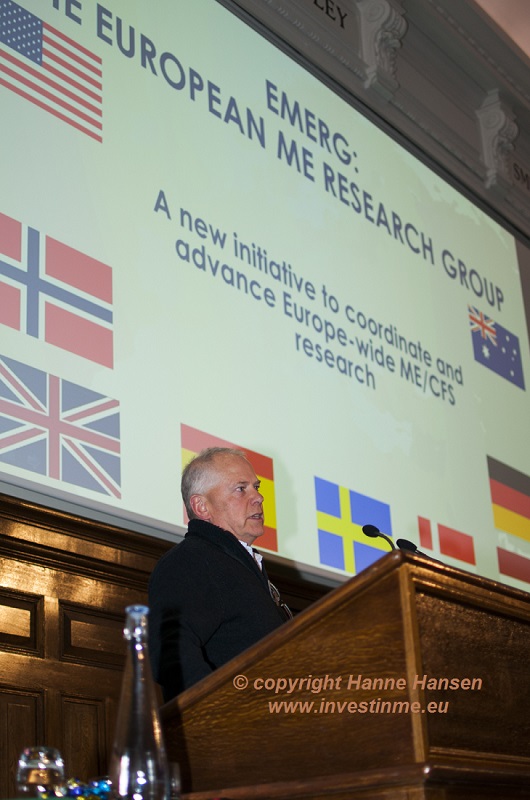
Research Leader, Quadram Institute Bioscience, Norwich Research Park, UK
Professor Simon Carding
UK
Upon completing postgraduate work at the Medical Research Council’s Clinical Research Centre in Harrow,
Professor Carding “emigrated” to the USA to take up a postdoctoral position at New York University School of Medicine,
and then at Yale University as a Howard Hughes Fellow in the Immunobiology Group at Yale University.
While
at Yale an interest in gamma-delta (γδ) T cells was acquired working closely with Adrian Hayday on molecular genetics and then
with Prof. Peter Doherty to establish their role in (viral) infectious disease.
He left Yale after five years to take up a faculty position at the University of Pennsylvania in Philadelphia where he
developed a research interest in mucosal and GI-tract immunology, performing studies in germfree mice with Prof John Cebra
that helped establish
the role of gut microbes in the aetiology of inflammatory bowel disease (IBD).
After 15 years in the USA, he returned to the UK to take up the Chair in Molecular Immunology at the University of Leeds
where he established a new research
programme on commensal gut bacteria and Bacteroides genetics leading to the development of a Bacteroides drug
delivery platform that is being used
for developing new interventions for IBD and for mucosal vaccination.
In 2008 he was recruited by UEA and IFR to develop a gut research programme, taking up the Chair of Mucosal Immunology
at UEA-MED and the position of head
of the Gut Biology Research Programme at IFR, which later became part of the Gut Health and Food Safety (GHFS) Programme.
GHFS research covers a broad area of gut biology including epithelial cell physiology, mucus and glycobiology, mucosal immunology,
commensal microbiology, foodborne bacterial pathogens, and mathematical modelling and bioinformatics.
The success of this programme has led to the establishment of the Gut Microbes and Health research programme
that is integral to the research agenda of The Quadram Institute.
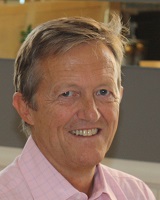
Research Director, Coordinating Research Centre, Bispebjerg and Frederiksberg Hospital, Denmark
Co-chair European ME Research Group
Dr Jesper Mehlsen
Denmark
Dr Jesper Mehlsen graduated as a medical doctor in 1979 and finished his specialist training in 1990.
He has published more than 140 scientific papers in peer reviewed journals, mainly on the autonomic nervous system and more recently
on complex diseases possibly resulting form HPV-vaccination.
For more than 35 years, he has worked clinically and in research with dysfunction of the autonomic nervous system.
Such dysfunction may lead to symptoms from a number of different organs often dominated by diminished control of blood pressure
and heart rate.
Over the past 5 years, he has worked clinically and in research with patients who suspect side effects due to HPV vaccination to
be the cause of a number of symptoms, common to those seen in chronic ME.
Dr Mehlsen is co-chair of the European ME Research Group (EMERG).
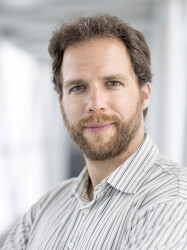
Tamas Korcsmaros
UK
Dr Tamas Korcsmaros is a systems biologist working with both computational and experimental approaches to study
signalling networks in the gut.
For 15 years, he has been been working in the field of intra- and inter-cellular signalling networks and the regulation of autophagy,
a key cellular process for maintaining health and fight diseases.
He is particularly interested in how cell-cell and cell-microbe interactions affect intestinal homeostasis,
and how one could use precision medicine to tackle current challenges to treat patients with inflammatory bowel disease.
In his group they have developed gap-filling computational resources and applied experimental novel systems,
such as organoids, to achieve these goals.
Besides leading his research group that focuses on improving our understanding on the pathomechanisms of IBD, he is also co-leading the
NIHR Imperial BRC Organoid Facility to establish patient-specific multi-omics studies for various complex diseases.
REFERENCES
References
David Price
UK
Professor David A Price MRCP DPhil DTM&H FAoP FLSW FRSB graduated with double first class honours
in medical sciences and pathology at the University of Cambridge and completed his clinical training at
King's College Hospital London.
He practised internal medicine, specialising in infectious and tropical diseases,
before pursuing a doctorate in molecular immunology at the University of Oxford.
After further academic clinical appointments,
his research was conducted with fellowship support at the NIH Vaccine Research Center.
He was appointed as Chair of Infection
and Immunity at Cardiff University School of Medicine in October 2007.
His research program focuses on the development and
implementation of advanced biotechnologies to characterise immune responses against globally relevant pathogens, such as
HIV-1 and SARS-CoV-2.
REFERENCES
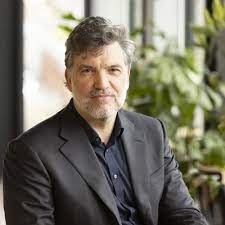
Associate Professor Jos Bosch
Netherlands
In 2012 he was appointed associate professor in the Department of Psychology, section Clinical Psychology.
His research investigates the psychobiology of medical disorders, with the aim to understand and mitigate the impact of disease.
His dual expertise in psychology and biology allows him to approach this topic in a genuinely interdisciplinary manner,
by integrating methods and concepts from both fields, and apply these to experimental laboratory studies,
clinical investigations, and epidemiological analyses. More recently hsi work has expanded to include Data Science and Artificial
Intelligence (AI) as a source of novel approaches to the analysis and modification of human biology and behaviour.
The latter program of research is funded by two H2020 consortium grants, of which he isa lead and a coordinator,
and involves intensive collaborations with groups accross continental Europe, the UK, and the US.
Since 2019 he became Associate Editor of Health Psychology Review, having previously acted as associate/senior editor for Brain, Behavior & Immunity (2011-2014), Psychological Bulletin (2010-2013), and Health Psychology (2010-2015).
In 2018 he was appointed Program Leader of the AMC/VUmc research institute ‘Amsterdam Public Health' (APH), Divsion of Mental Health (https://www.amsterdamumc.org/research/institutes/amsterdam-public-health.htm). In 2020 I was reappointed for 2 more years.
In 2023 Jos was awarded a grant of more than seven million euros to commence new biomedical research into ME/CFS.
Further reading:
Amsterdam UMC leads international consortium in the search for treatment for ME/CFS
Research Unit for Molecular Medicine, Department of Clinical Medicine, Aarhus University, Denmark
Associate Professor Rikke Katrine Jentoft Olsen
Denmark
Rikke's research group has a longstanding interest in inborn errors of mitochondrial metabolism with special focus on fatty acid oxidation disorders. We integrate genetic diagnostics of affected families with research into cell pathological mechanisms and novel treatment modalities in the form of mitochondrial vitamins/co-factors and anaplerotic compounds for the tricarboxylic acid cycle. In recent years, we have initiated research programs to understand the role that mitochondria may play in ME.
Besides science, Rikke KJ Olsen is an active member of the Neonatal Screening Program for inborn errors of metabolism in Denmark and board member of international scientific organisations within fatty acid oxidation disorders and ME/CFS.
Full Chair Professor in Analytical Chemistry and Neurochemistry at the Department of Chemistry, Uppsala University, Sweden
Professor Jonas Bergquist
Sweden
Professor Begquist has a background as MD, Associate Professor of Clinical Neuroscience , Sahlgrenska University Hospital and the University of Gothenburg. Since 1999 , he has been a researcher in Uppsala, Sweden, and in 2005 was appointed professor of analytical chemistry and neurochemistry at the Department of Chemistry - BMC , Uppsala University. From 2011 he worked also as an adjunct professor of pathology at the University of Utah, Salt Lake City, Utah, USA.

Medical specialist in Immunology,
Head of Gastrointestinal Immunology research group
Department of Pathophysiology and Allergy,
Medical University of Vienna, Austria
Associate Professor Eva Untersmayr-Elsenhuber, MD, PhD
Austria
Dr. Eva Untersmayr-Elsenhuber Associate Professor of Pathophysiology and Allergy Research
at The University of Vienna.
Her research interests are
Immunology and Microbiology, Comparative Immunology and Oncology, Pathophysiology.
In 2011, Dr.in Eva Untersmayr-Elsenhuber completed her specialist training.
Since then, Dr.in Untersmayr-Elsenhuber has worked as a specialist
and associate professor at the ” Institute of Pathophysiology and Allergy Research at the Medical University of Vienna.
In 2012, Dr.in Eva Untersmayr-Elsenhuber completed her part-time doctoral studies in natural sciences at the University of Salzburg and received
her doctorate (Dr. rer. nat.).
She is the author of more than 40 internationally acclaimed articles published in renowned journals, which have so far been
cited more than 1000 times by other authors in publications.
For her work in the field of food allergy, Dr.in Untersmayr-Elsenhuber has received numerous prizes such as the Pirquet Prize,
the most important prize in the field of allergy research of the Austrian Society for Allergology and Immunology,
the Theodor Billroth Prize of the Medical Association of Vienna and the Vienna Chamber of Commerce Prize 2014.
In addition, Dr Eva Untersmayr-Elsenhuber has led and managed numerous competitively funded research projects on food allergy, gastrointestinal
immunology and oncology since 2005. She is a member of national and international committees such as the Austrian and European Societies for
Allergolgy and Immunology and the Collegium Internationale Allergologicum.
Dr. Untersmayr-Elsenhuber has participated in numerous science communication activities for years, such as the production of information brochures,
the Children’s University, the Long Night of Research and Science at the VHS Vienna.
(with grateful thanks to https://www.praxis-neustift.com/en/prof-ddr-eva-untersmayr-elsenhuber/)
Links:
Researchgate
Presenter to be confirmed
Details will be announced shortly.
Presenter to be announced
Details will be announced shortly.

Presenter to be announced
Details will be announced shortly.
Universidad Católica de Valencia “San Vicente Mártir”, Spain
Elisa Oltra
Spain
Dr. Elisa Oltra is a professor of Cell and Molecular Biology at the Universidad Católica de Valencia “San Vicente Mártir” where she also
works as a researcher in the area of stem-cell and cancer.
She obtained an M.S. degree in Biochemistry at the Universitat de Valencia (Spain) and later earned her PhD in Biochemistry, Cell and Molecular Biology at the
University of Miami, FL (USA) where she stayed for her post-doctoral training and later, as Senior Scientist till 2006 when she moved
back to Spain. During her studies at the University of Miami she identified alternative 5´UTR sequences involved in regulating cell-cell
communication through mechanisms of differential connexin43 expression in the heart.
She also isolated a novel essential protein (Ini) and demonstrated its participation in mechanisms of transcription and splicing.
In 2009 she started a project to investigate the molecular basis of Fibromyalgia having identified at present irregularities
in RNAseL expression and miRNAs profile changes in the participating patients which could lead to a deeper understanding of the disease.
In 2012 she joined the IVP Valencian Institute of Pathology, also at the Universidad Católica de Valencia where she is currently studying a specific
type of vesicles: the exosomes, as mediators of stem-cell based therapies.
She is also academic director of the first officially accredited Master degree in Biobanking in Europe in collaboration with the Spanish Network
of Biobanking at the Instituto de Salud Carlos III, Madrid (Spain).
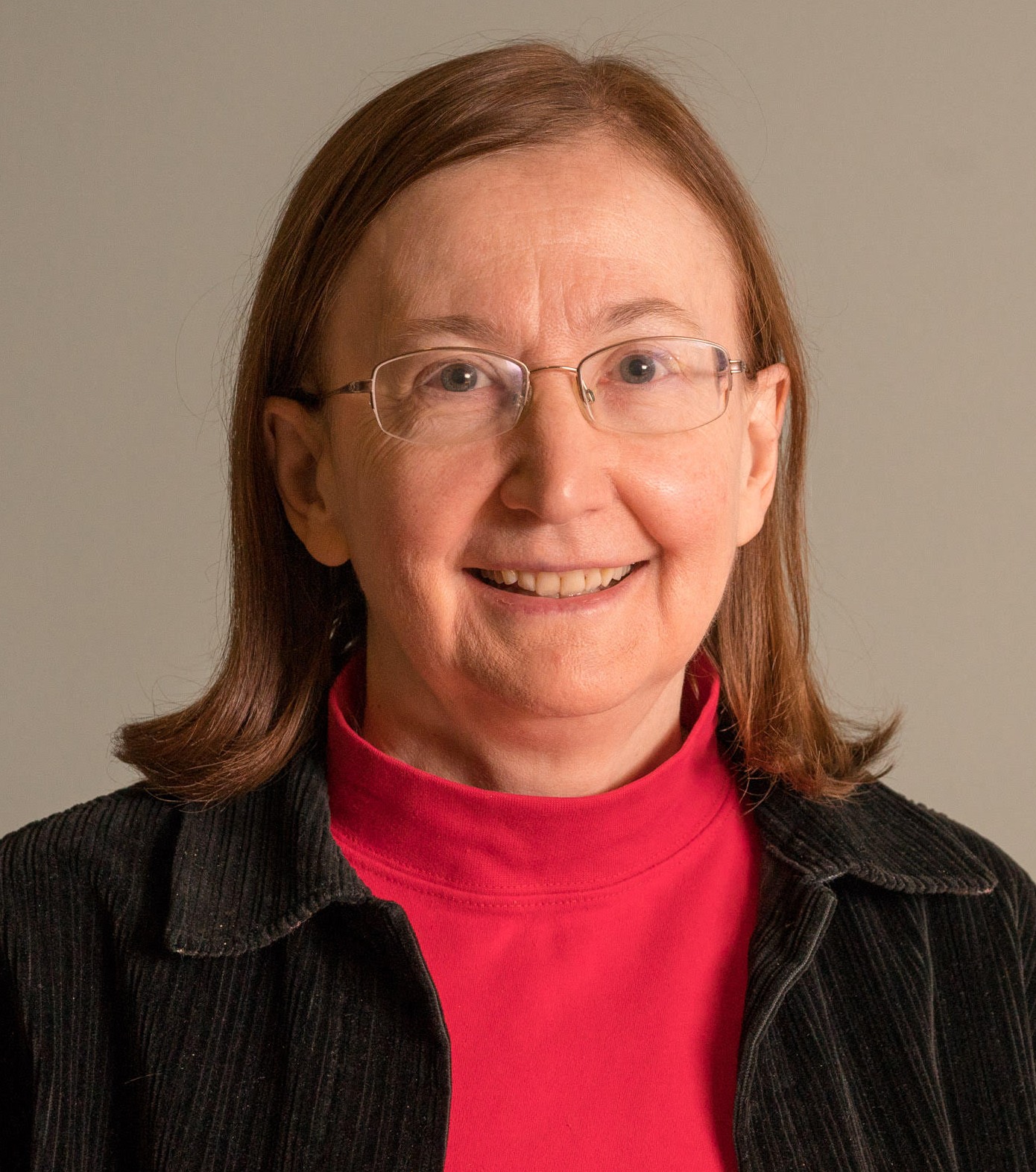
Liberty Hyde Bailey Professor, Department of Molecular Biology and Genetics, Cornell University, New York, USA
Professor Maureen Hanson
USA
Maureen Hanson is Liberty Hyde Bailey Professor in the Department of Molecular Biology and Genetics at Cornell University in Ithaca, NY. Previously she was on the faculty of the Department of Biology at the University of Virginia in Charlottesville and an NIH NRSA postdoctoral fellow at Harvard, where she also completed her Ph.D. degree. While most of her prior research has concerned cell and molecular biology in plant cells, she began a research program on ME/CFS after noting at a 2007 IACFS meeting the paucity of molecular biologists studying the illness. Her lab was part of the 2012 multicenter study organised by Ian Lipkin's group at Columbia University to assess the actual role of XMRV in ME/CFS. Dr. Hanson has a current project to examine the microbiome of ME/CFS patients and controls, in collaboration with Dr. Ruth Ley (Cornell Microbiology) and Susan Levine, M.D. (Manhattan, NY). Dr Levine is also collaborating with Dr. Hanson on an immune cell gene expression project that involves Dr. Fabien Campagne and Dr. Rita Shaknovich at Weill Cornell Medical School in New York City. Dr. Hanson's third project concerns analysis of blood samples from individuals performing a two-day cardiopulmonary exercise test at Ithaca College under the supervision of Dr. Betsy Keller.
Dr Vicky Whittemore
USA
Dr. Whittemore is a Program Director in the Synapses, Channels and Neural Circuits Cluster. Her interest is in understanding the underlying mechanisms of the epilepsies including the study of genetic and animal models of the epilepsies.
The major goal is to identify effective treatments for the epilepsies and to develop preventions. Dr. Whittemore received a Ph.D. in anatomy from the University of Minnesota, followed by post-doctoral work at the University of California, Irvine, and a Fogarty Fellowship at the Karolinska Institute in Stockholm, Sweden.
She was on the faculty of the University of Miami School of Medicine in The Miami Project to Cure Paralysis prior to working with several non-profit organisations including the Tuberous Sclerosis Alliance, Genetic Alliance, Citizens United for Research in Epilepsy (CURE), and the National Coalition for Health Professional Education in Genetics (NCHPEG).
She also completed a four-year term on the National Advisory Neurological Disorders and Stroke Council.
Other Links

Paediatric Critical Care/Trauma Medicine at Western University in London, Ontario, Canada
Douglas D. Fraser
Canada
Professor Fraser, a Fellow of the Royal College of Physicians and Surgeons of Canada, holds a position as
Professor and Clinician Scientist in Paediatric Critical Care/Trauma Medicine at Western University in London, Ontario.
He completed his MD/PhD in the Department of Physiology and Biophysics at the University of Calgary, Alberta,
receiving a Canadian Institutes of Health Research Strategic Training Fellowship and several esteemed International
Research Awards from the American Academy of Pediatrics and the Society for Pediatric Research.
As Director of the Translational Research Centre, a human tissue biobank operating for over 15 years, Professor Fraser
has garnered multiple Research Innovation Awards and successfully filed numerous patents. He is also a Co-Founder and
Chief Medical Officer of NeuroLytixs, Inc., a diagnostics-based biotech company.
Professor Fraser's research focuses on identifying signalling pathways and diagnostics/prognostic biomarkers for
acquired brain injury, severe sepsis and COVID-19. His work includes profiling Long-COVID patients for proteome changes,
with particular emphasis on understanding the immune response.
Currently, he leads two International Multicentred Long-COVID
Research Programmes: "LC-Optimize" (Identification of Long-COVID Sub-Phenotypes to Optimise Patient Outcomes) and "LC-Statistic"
(Sudden Death Associated with Post-COVID Condition).
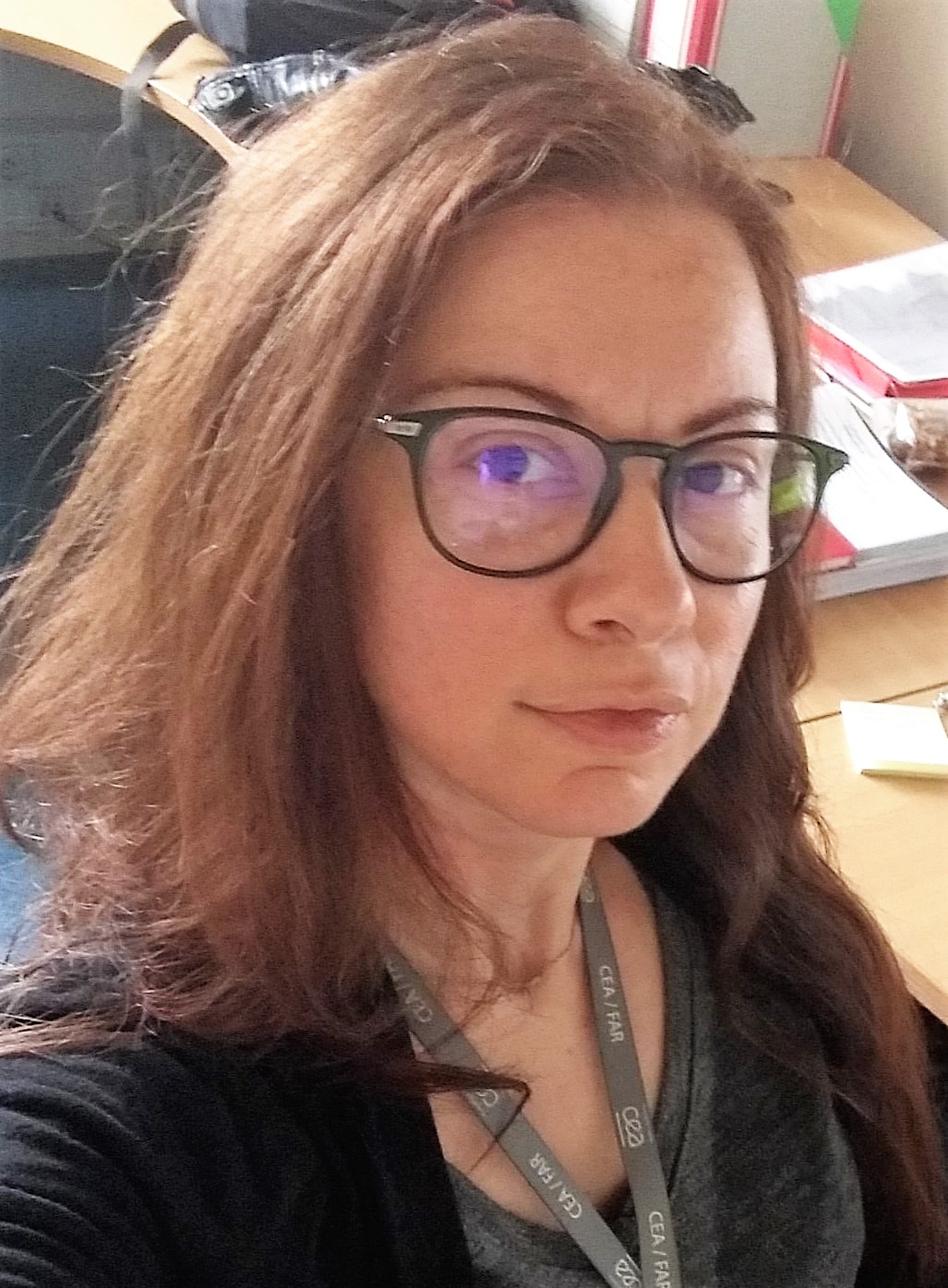
Professeure de Biologie Computationnelle des Systèmes, Pôle de Biologie des Systèmes, MCD-CBI, Université de Toulouse III-Paul Sabatier - CNRS
Anna Niarakis
France
Dr Anna Niarakis is a Full Professor of Computational Systems Biology at the University of Toulouse III-Paul Sabatier,
affiliated with the Center of Integrative Biology and the Laboratory of Molecular and Cellular Dynamics. She holds a 4-year
delegation for research at INRIA- Saclay, in the group Lifeware.
Dr Niarakis has a broad scientific background in Biochemistry, Biology, Pharmaceutical Technology and post-doctoral
studies in Computational Systems Biology and Bioinformatics (ENS, Paris, Institut Gustave Roussy) with expertise in complex
human diseases, especially autoimmune diseases.
She is a co-leader of the Disease Maps consortium coordinating the COVID-19 Disease Map initiative, and she also leads the
Working Group “ Building Immune Digital Twins”, supported by the Research Data Alliance.
Dr Niarakis has significant expertise in academic teaching and mentoring, course design and management and is also very active
in organizing and participating in international summer and winter schools of Computational Systems Biology.
She is the main co-organizer and the leading instructor of the Wellcome Trust Advanced Course "Computational Systems Biology
for Complex Human Disease: From Static to Dynamic Representations of Disease Mechanisms" :
Courtesy https://cbi-toulouse.fr/eng/equipe-niarakis
Further Information:
Dr Olli Polo
Integrativ Clinic, Stockholm, Sweden p> Dr Olli Polo, MD, PhD, is a Finnish pulmonologist, sleep specialist and physician with expertise in physiology, currently practising at the Integrativ Clinic in Stockholm. Formerly a professor of pulmonology at Tampere University, his clinical and research interests focus on myalgic encephalomyelitis/chronic fatigue syndrome (ME/CFS), with particular attention to sympathetic nervous system dysfunction, circadian rhythm disturbances and tissue hypoxia.
Dr Polo’s work emphasises the role of connective tissue abnormalities, such as Ehlers-Danlos syndrome, as potential contributors to ME/CFS. His clinical approach includes experimental therapies such as low-dose naltrexone, supplemental oxygen, saline, vitamin B12, and dopamine agonists, while advising caution regarding psychiatric medications and certain sleep aids.
He has published extensively on sleep disorders and related conditions and has presented at international conferences. Dr Polo is known for advocating patient-centred care in ME/CFS.
More information
https://www.integrativakliniken.se/about-1
ResearchGate Olli Polo
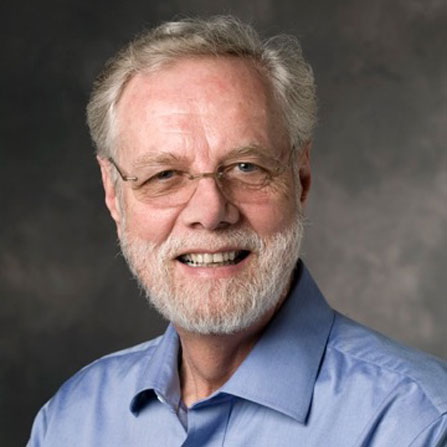
Professor Ronald Davis
Stanford School of Medicine in Stanford Professor of Biochemistry and Genetics at the Stanford School of Medicine in Stanford, California, USA
Ronald W. Davis, Ph.D., is a Professor of Biochemistry and Genetics at the Stanford School of Medicine in Stanford, California.
He is a world leader in the development of biotechnology, especially the development of recombinant DNA and genomic methodologies and their application to biological systems.
At Stanford University, where he is Director of the Stanford Genome Technology Center, Dr. Davis focuses on the interface of nano-fabricated solid state devices and biological systems.
He and his research team also develop novel technologies for the genetic, genomic, and molecular analysis of a wide range of model organisms as well as humans.
The team's focus on practical application of these technologies is setting the standard for clinical genomics.
.-
References
Postdoctoral Researcher, Radiology & Nuclear Medicine, University Medical Center Utrecht, Netherlands
Denise Visser
Netherlands
Denise Visser, a researcher at University Medical Center Utrecht, has revealed extensive brain inflammation in her
research. Her work with Neuro-PET imaging has shown significant inflammation throughout the brain in patients with long-term
symptoms after COVID-19, also known as Long COVID. These findings, which demonstrate in vivo neuroinflammation, are crucial
as they provide the first direct evidence of widespread brain damage in living patients who have recovered from COVID-19 Visser,
a researcher at University Medical Center Utrecht, has revealed extensive brain inflammation in her research. Her work with
Neuro-PET imaging has shown significant inflammation throughout the brain in patients with long-term symptoms after COVID-19,
also known as Long COVID. These findings, which demonstrate in vivo neuroinflammation,
are crucial as they provide the first direct evidence of widespread brain damage in living patients who have recovered from
COVID-19.
Further Information:
PrecisionLife, UK
Rowan Gardner
Co-founder, PrecisionLife, UK
Rowan has over 30 years of experience working in innovative businesses applying computational methods to life science and
patient data to understand disease and find new medicines and treatments for unmet medical needs.
She is on the board of Digital Health and Care Wales a strategic health authority tasked with the digital transformation of
NHS in Wales, and is responsible for oversight of the digital governance and safety committee.
Rowan holds a Masters in biochemistry from the University of Oxford and played a part in one of the university's first spinouts,
Oxford Molecular Group, when it listed on the London Stock Exchange in 1994. She also collaborated with the pioneering team at
CERN to disseminate the applications to cloud computing frameworks in healthcare and pharmaceutical research.

PrecisionLife, UK
Dr. Steve Gardner
CEO & Co-founder, PrecisionLife, UK
Steve brings over 30 years of experience building high-performing teams, products, and companies
across precision medicine, drug discovery, and computational biology in the UK and Europe.
He has led the development of globally recognised genomics platforms, AI-enabled drug discovery
solutions, and advanced analytics for life sciences and healthcare, resulting in multiple patented
innovations. Previously, he served as Global Director of Research Informatics at Astra and
contributed to the early Human Genome Project, collaborating with leading pharmaceutical companies
on more than 30 drug discovery and development programmes.
Steve is Chair of the UK BioIndustry Association's Data, AI and Genomics Advisory Committee, a
member of the Scientific Advisory Board of Our Future Health, and serves on the Industry Advisory
Groups for UK Biobank and the Health Data Research Service. He is an Expert in Residence at the
University of Oxford and an Editorial Board member for AI in the Life Sciences.
Dr Dezső Modos, Imperial College London, UK
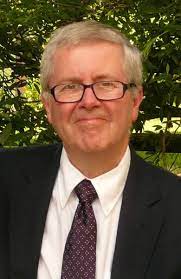
Dr Robert Phair
Chief Scientific Officer, Integrative Bioinformatics, Inc., USA
Dr. Robert Phair, a systems biologist whose Ph.D. is in Physiology, is an internationally known expert in the area of kinetic modeling, with over 35 years of experience in the modeling of complex biological systems. He started his academic life with a degree in Electrical Engineering at MIT with the intention to apply engineering analysis to complex biological systems. He was a professor at The Johns Hopkins University School of Medicine for 16 years before co-founding Integrative Bioinformatics, Inc (IBI), a scientific consultancy in Silicon Valley, with a focus on cellular and molecular systems,where a systematic approach has been developed to model biological systems that allows effective testing of complex hypotheses against available experimental data.
Alexandre Akoulitchev
Chief Scientific Officer, Oxford BioDynamics, UK
Alexandre Akoulitchev is Chief Scientific Officer at Oxford BioDynamics, an international biotechnology company advancing personalised healthcare through precision clinical diagnostic tests. He leads the development of the EpiSwitch® platform, a proprietary technology that maps long-range three-dimensional genomic interactions as biomarkers of disease state. The platform has already been translated into clinical use for prostate cancer detection and immunotherapy response prediction across multiple tumour types.
Dr Akoulitchev's work in ME/CFS, conducted in collaboration with the University of East Anglia, the London School of Hygiene & Tropical Medicine and Royal Cornwall Hospitals NHS Trust, has demonstrated that 3D chromatin architecture carries distinctive and reproducible signatures in ME/CFS patients that are absent in healthy controls. This approach, working beyond linear DNA sequence, identified hundreds of disease-associated genomic changes and achieved diagnostic accuracy of 96%, offering the prospect of the first reliable blood-based diagnostic test for ME.
Professor Dmitry Pshezhetskiy
Norwich Medical School, University of East Anglia, UK
Professor Dmitry Pshezhetskiy is a researcher at Norwich Medical School, University of East Anglia, with expertise in molecular oncology, epigenetics and translational biomarker research. His laboratory focuses on the application of advanced genomic and epigenomic technologies to the discovery and validation of clinically actionable biomarkers in complex diseases.
Professor Pshezhetskiy led the collaborative research programme with Oxford BioDynamics that applied EpiSwitch® 3D genomic profiling to ME/CFS for the first time, resulting in the development of a blood-based diagnostic with 96% accuracy published in the Journal of Translational Medicine in 2025. The study identified a unique and reproducible pattern of 3D chromatin architecture in ME/CFS patients that is absent in healthy controls, opening a new avenue for both diagnosis and the biological understanding of the disease. He has described this work as potentially transforming how ME/CFS is diagnosed and managed, and as opening the door to identifying patient subgroups most likely to benefit from specific therapies.
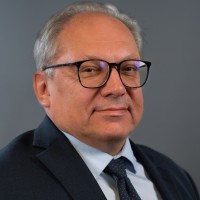
Alexandre Akoulitchev
Chief Scientific Officer, Oxford BioDynamics, UK
Alexandre Akoulitchev is Chief Scientific Officer at Oxford BioDynamics, an international biotechnology company advancing personalised healthcare through precision clinical diagnostic tests. He leads the development of the EpiSwitch® platform, a proprietary technology that maps long-range three-dimensional genomic interactions as biomarkers of disease state. The platform has already been translated into clinical use for prostate cancer detection and immunotherapy response prediction across multiple tumour types.
Dr Akoulitchev's work in ME has demonstrated that 3D chromatin architecture carries distinctive and reproducible signatures in ME/CFS patients that are absent in healthy controls. This approach, working beyond linear DNA sequence, identified hundreds of disease-associated genomic changes and achieved diagnostic accuracy of 96% in an initial cohort, offering the prospect of the first reliable blood-based diagnostic test for ME.
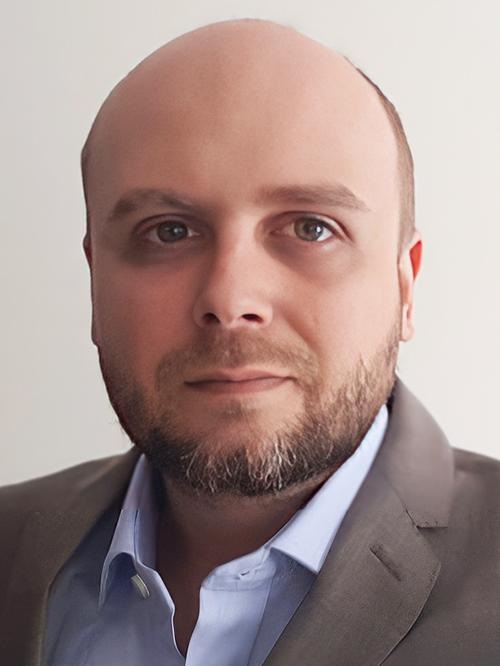
Professor Dmitry Pshezhetskiy
Norwich Medical School, University of East Anglia, UK
Professor Dmitry Pshezhetskiy is a researcher at Norwich Medical School, University of East Anglia, with expertise in molecular oncology, epigenetics and translational biomarker research. His laboratory focuses on the application of advanced genomic and epigenomic technologies to the discovery and validation of clinically actionable biomarkers in complex diseases.
Professor Pshezhetskiy led the clinical side of the collaborative research programme with Oxford BioDynamics that applied EpiSwitch® 3D genomic profiling to ME for the first time, published in the Journal of Translational Medicine in 2025. He has described this work as potentially transforming how ME is diagnosed and managed, and as opening the door to identifying patient subgroups most likely to benefit from specific therapies.
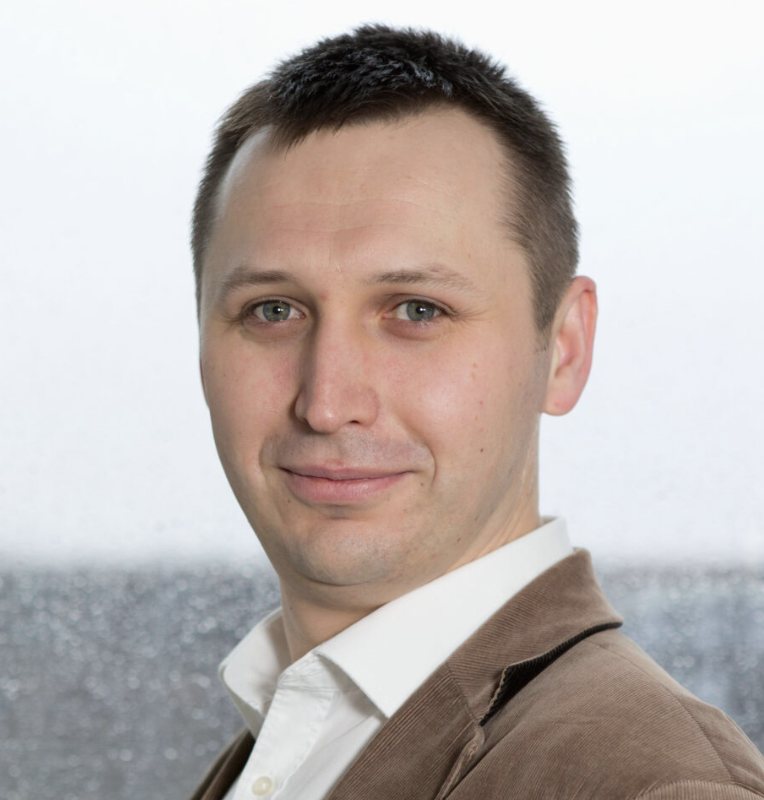
Marek Ostaszewski
Luxembourg
Dr Marek Ostaszewski is a research scientist at the Luxembourg Centre for Systems Biomedicine, University of Luxembourg,
where he works in bioinformatics, computational biology, and translational medicine. He has experience in metaheuristics,
network analysis, and systems biology, and his work has included the development and exploration of disease maps and methods for
modelling complex biological systems.
He has also worked on translational medicine projects and scientific project management in Luxembourg, including research
linked to Parkinson’s disease and broader systems biomedicine efforts.
REFERENCES
References

Andrew Grimson
USA
Andrew Grimson is an Associate Professor in the Department of Molecular Biology & Genetics at Cornell University. His lab focuses on post-transcriptional gene regulaon, especially the identity and function of animal microRNAs and other small RNAs.
His research also examines gene regulatory networks, 3'UTR-mediated regulation, and the use of genomic tools to study immune dysregulation in ME/CFS.
He is a co-PI of the Cornell NIH ME/CFS Research Center and has contributed to work on immune changes, including single-cell transcriptomic studies and T cell exhaustion in ME/CFS.
REFERENCES
References

Felipe Correa da Silva
Amsterdam, the Netherlands
Felipe Correa da Silva is a postdoctoral researcher working in the Brain Plasticity / NeuroImmunology group (Lucassen / Huitinga) at the Netherlands Institute for Neuroscience in Amsterdam.
His research interests focus on neuroglia, neuropathology, and the cellular and molecular changes associated with ME/CFS and other brain disorders.
He works on postmortem brain research and related neuroimmunology approaches to better understand disease mechanisms in the human brain.
REFERENCES
References

Fernando Real
France
Fernando Real is a research scientist and team leader at the Center for Infection and Immunity of Lille (CIIL), Institut Pasteur de Lille, where he leads work on the chronicity of viral infections.
His research focuses on how macrophages and other myeloid cells can act as long-term hosts for persistent intracellular pathogens, with particular emphasis on viral persistence and HIV-related chronic infection.
He combines immunology and infection biology to better understand the mechanisms that allow pathogens to evade clearance and persist in the body.
REFERENCES
References

Greg Towers
UK
Professor Greg Towers is a molecular virologist whose work focuses on host-virus interactions, with particular emphasis on HIV-1, innate immunity, and viral immune evasion.
He has made major contributions to understanding how HIV capsids are stabilised by host cofactors and how the viral genome avoids cytoplasmic nucleic acid sensors.
His broader research also includes SARS-CoV-2 and other viruses, using comparative virology to better understand mechanisms of infection and immune control.
REFERENCES
References
Andrew Wilson
UK
Andrew Wilson is a Clinical Senior Lecturer in Respiratory Health at the University of East Anglia and Honorary Consultant Physician at Norfolk and Norwich University Hospital. While his primary research focus is not ME, Professor Wilson brings extensive expertise in the *design and conduct of clinical trials*, particularly for respiratory diseases such as idiopathic pulmonary fibrosis and asthma. He has significant experience in innovative trial design, remote assessment methods, and large-scale multi-centre studies, having led nationally recognized projects funded by the National Institute for Health Research. His background includes integrating new biomarker research into trials and evaluating symptom management—including fatigue, which is relevant to many chronic illnesses. Professor Wilson’s broad perspective on organizing and analyzing complex trials, plus his leadership in national research networks, offers valuable insights for improving trial methodologies within the ME research community.
.REFERENCES
-
References
Jon Brooks
UK
Dr Jonathan Brooks is a Senior Lecturer at the University of Liverpool, where his research uses neuroscience and MRI-based techniques to study changes in the human central nervous system produced by pain.
His work includes magnetic resonance imaging, functional MRI, and magnetic resonance spectroscopy, with a strong interest in chronic pain, brainstem and spinal cord function, and related neuroimaging methods.
He has also contributed to research on myalgic encephalomyelitis/chronic fatigue syndrome and other conditions involving altered brain and nervous system function.
REFERENCES
References
Sonya Marshall-Gradisnik
Australia
Professor Sonya Marshall-Gradisnik is Director of the National Centre for Neuroimmunology and Emerging Diseases (NCNED) at Griffith University in Australia.
Her research focuses on myalgic encephalomyelitis/chronic fatigue syndrome (ME/CFS), natural killer cell function, ion channel dysfunction, cytokine production, and immune signalling pathways.
She is a leading researcher in ME/CFS and has also contributed to work on the relationship between ME/CFS and Long COVID.
REFERENCES
References
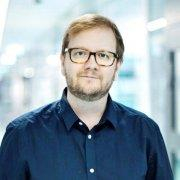
Marcus Buggert
Sweden
Marcus Buggert is an assistant professor and group leader at Karolinska Institutet in Stockholm, where his research focuses on human adaptive immunity to viral infections and cancer.
His work centres on antigen-specific T cells and the study of immune responses across blood and tissue, with the aim of understanding how location, age, genetics, and disease shape protective and dysfunctional immunity.
These insights are used to inform better vaccines, immunotherapies, and strategies for future pandemics.
REFERENCES
References
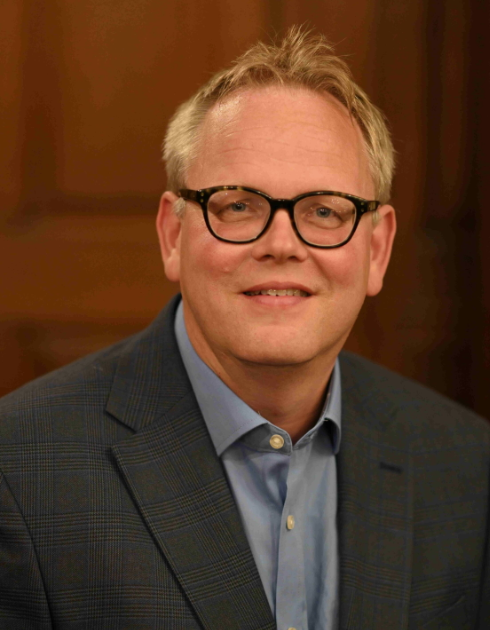
Edmund Kunji
UK
Professor Edmund Kunji is a research group leader at the MRC Mitochondrial Biology Unit, University of Cambridge, where he studies mitochondrial carrier proteins and their role in the transport of metabolites, cofactors, and ions across the inner mitochondrial membrane.
His work focuses on the structural and functional characterisation of transport proteins in mitochondria, with the goal of understanding their physiological roles and their links to human disease.
He has made major contributions to mitochondrial bioenergetics, membrane transport, and the molecular basis of transporter dysfunction.
REFERENCES
References

The Carding Group
UK
The Carding Group at the Quadram Institute studies gut microbes in health and disease, with a particular focus on mucosal immunology, commensal microbiology, foodborne pathogens, and host-microbe interactions.
The group’s broader research includes work on the intestinal microbiome, virome, and gut-brain axis, as well as projects related to ME/CFS and microbiota-based interventions.
Its studies combine immunology, microbiology, and bioinformatics to understand how microbes shape gut health and disease in humans.
REFERENCES
References
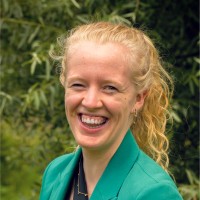
Anouk Slaghekke
The Netherlands
Anouk Slaghekke is a PhD candidate at Vrije Universiteit Amsterdam in the Department of Human Movement Sciences and Amsterdam Movement Sciences.
Her research focuses on skeletal muscle adaptations in ME/CFS, with an emphasis on peripheral muscle oxygenation, skeletal muscle structure and function, post-exertional malaise, and underlying pathophysiology.
She is also involved in work related to the National ME/CFS Biobank and has presented research on microvascular dysfunction and basal membrane thickening in skeletal muscle in ME/CFS and post-COVID syndrome.
REFERENCES
References
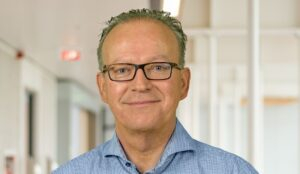
Leo A.B. Joosten
The Netherlands
Professor Leo A.B. Joosten is a pathobiologist and professor of mechanisms of inflammatory diseases at Radboud University Medical
Centre in Nijmegen.
His research focuses on host defence mechanisms triggered by pathogenic microorganisms and the chronic inflammation they can
cause, with current projects exploring Toll-like receptors, Nod-like receptors, and C-type lectin receptors in pathogen recognition.
He also studies the role of the inflammasome and autophagy machinery in the pathogenesis of Lyme disease, as well as
metabolic-related diseases such as diabetes type 2, atherosclerosis, and gouty arthritis.
REFERENCES
References
Vilma Lammi
Finland
Dr Vilma Lammi is a Senior Researcher at the Institute for Molecular Medicine Finland (FIMM), University of Helsinki,
working in the research group on Genetics of Sleep, Circadian Rhythms and Brain Autoimmunity.
She coordinates the international Long COVID Host Genetics Initiative, a large-scale collaboration seeking to
understand why some individuals develop persistent symptoms for months or years following acute COVID-19 infection,
and her research encompasses the genetics and molecular mechanisms of both Long COVID and ME/CFS.
Her doctoral research at the Sleep Team Helsinki focused on the effects of sleep deprivation on the immune system
and metabolism, using transcriptomics and metabolomics in human cohorts and zebrafish models. Her published work includes
a genome-wide association study of Long COVID in Nature Genetics (2025) and studies of host genetic
susceptibility to SARS-CoV-2 across variants, thromboembolism in Long COVID pathogenesis, and the genetic basis of ME/CFS.
REFERENCES
References
Andrew Wilson
UK
Professor Andrew Wilson is a Clinical Senior Lecturer in Respiratory Health at the University of East Anglia and an Honorary Consultant Physician at Norfolk and Norwich University Hospital.
His work focuses on the design and conduct of clinical trials and other clinical investigations, including studies to evaluate new treatments, biomarkers, and risk stratification variables.
He has led large non-commercial multi-centre trials and brings extensive experience in remote assessment methods, trial design, and biomarker-driven research.
REFERENCES
References
Gitendra Uswatte
USA
Professor Gitendra Uswatte is a professor of psychology and physical therapy at the University of Alabama at Birmingham.
His research focuses on rehabilitation psychology, neurorehabilitation, neuroplasticity, and health psychology, with particular interest in how behavioral factors influence recovery after neurological injury.
He also has a strong record in clinical trial design and the study of cognitive rehabilitation and related interventions.
REFERENCES
References
Leo Tamariz
USA
Professor Leonardo J. Tamariz is a clinician and researcher at the University of Miami Miller School of Medicine.
His work focuses on public health sciences, cardiology, biomarkers, large datasets, and the study and treatment of long COVID.
He also serves as a staff physician at the Miami VA long COVID clinic.
REFERENCES
References
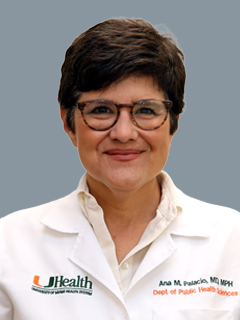
Ana Palacio
USA
Dr. Ana M. Palacio is a Professor of Clinical Medicine at the University of Miami Miller School of Medicine and a clinician investigator in public health sciences.
Her work focuses on long COVID, health disparities, social determinants of health, and complex chronic illness.
She has extensive experience in clinical care, research, and teaching, particularly in community-based and disparities-focused medicine.
REFERENCES
References
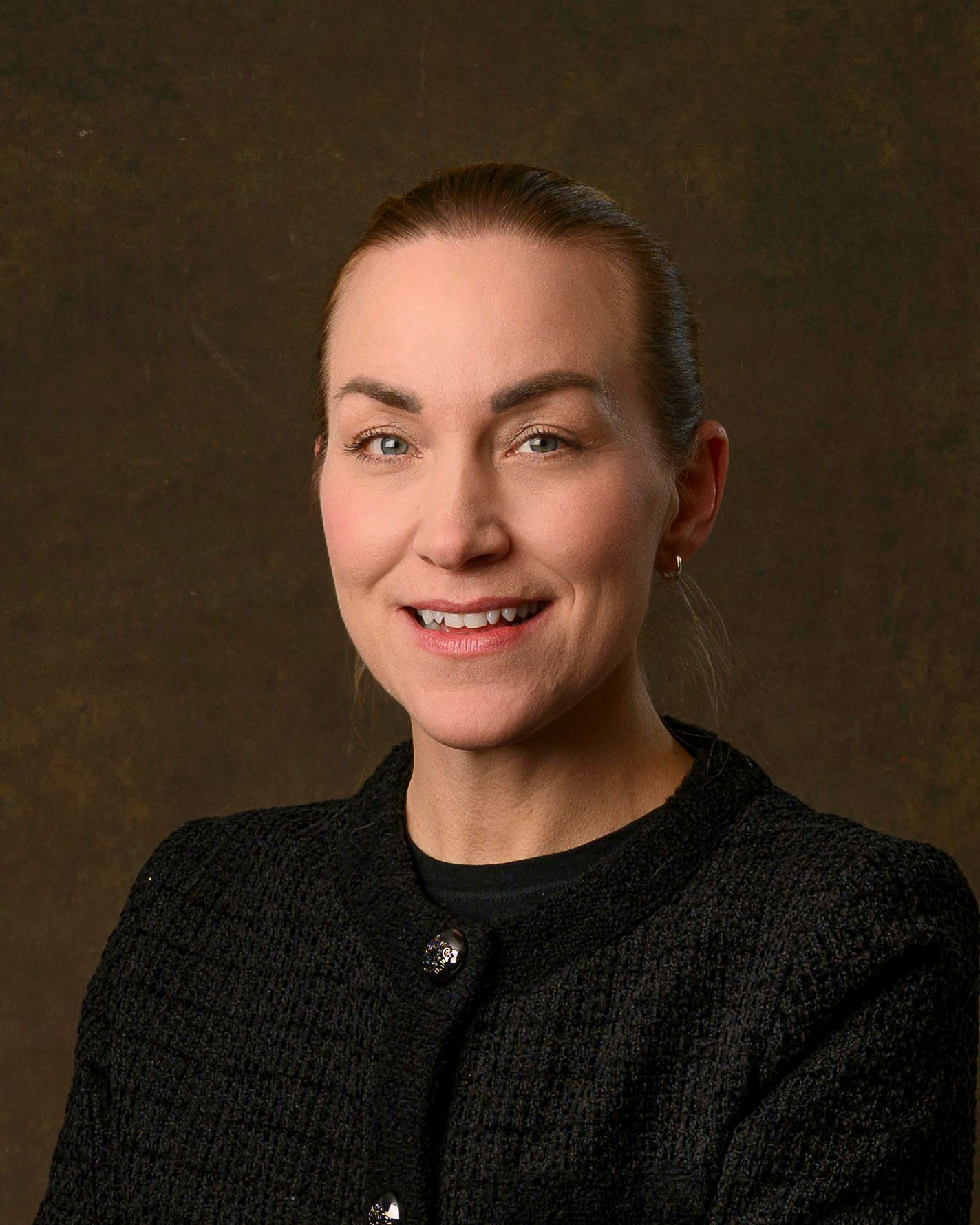
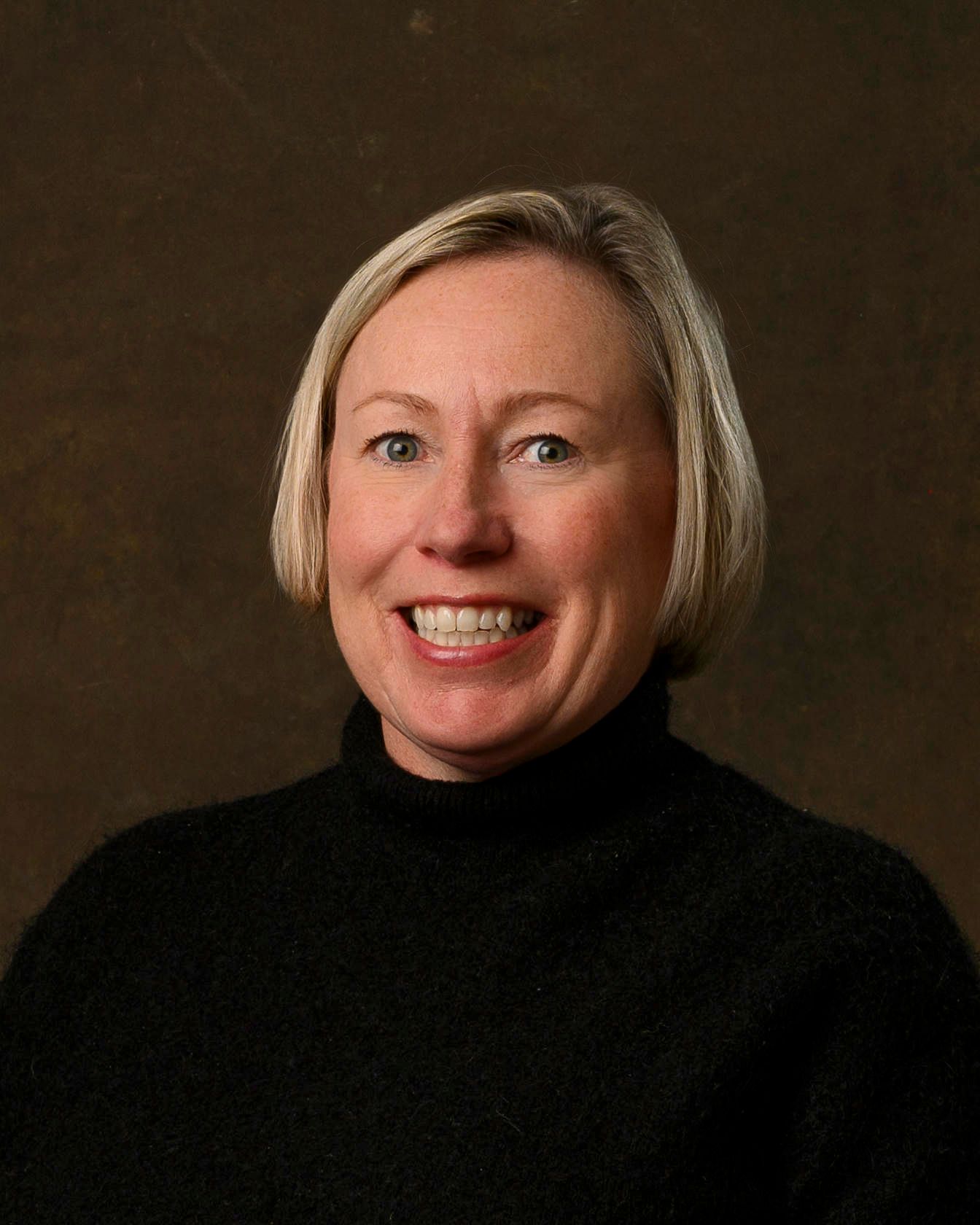
Mari Gamme Sollie and Trine Alm Holterbakken
Røysumtunet, Norway
Mari Gamme Sollie is a registered nurse with a Master’s degree in Mental Health Care.
She serves as the clinical lead at the ME/CFS department at Røysumtunet.
Her work focuses on interdisciplinary collaboration, and the
development of care models for individuals with ME/CFS.
In addition to her clinical role, she holds a 20% research position.
Trine Alm Holterbakken is a registered neurology nurse specialist, with extensive clinical experience from medical hospital wards.
She is the Head of the ME/CFS department at Røysumtunet, overseeing clinical
care and staff coordination.
Her work focuses on providing high-quality, individualised care for severely affected ME/CFS patients.
REFERENCES
References

Professor Nancy Klimas, MD
USA
Professor Nancy Klimas, MD, is one of the world's foremost clinician-researchers in ME/CFS, Gulf War
Illness, and Long COVID, with over 40 years of professional experience in immunology and complex
multi-symptom disorders.
She is Director of the Institute for Neuro-Immune Medicine (INIM) at Nova Southeastern University,
where she is also Assistant Dean of Research, Professor, and Chair of Clinical Immunology at the
Dr. Kiran C. Patel College of Osteopathic Medicine. She directs the GWI and ME/CFS Research Programme
at the Miami Veterans Affairs Medical Center, and is Professor Emerita at the University of Miami Miller
School of Medicine, where she practised for 30 years.
Her research established the immunological basis of ME/CFS, including landmark work on natural
killer cell dysfunction, reduced perforin expression, and the link between NK cell activity and
sympathetic nervous system signalling. She has led NIH-funded ME/CFS Research Centres, systems biology
modelling projects, multi-omics studies, and clinical trials in both ME/CFS and Long COVID. She is a
past President of the IACFS/ME, a Diplomate of the American Board of Internal Medicine, a recipient
of the 2014 Perpich Award for distinguished community service, and has served on the NIH P2P CFS
Committee, the VA Research Advisory Committee for Gulf War Illness, and the National Academy of
Medicine's ME/CFS case definition working group.
REFERENCES
References
Associate Professor Gwenaëlle Douaud
United Kingdom
Associate Professor Gwenaëlle Douaud is a neuroscientist at the University of Oxford's Wellcome Centre
for Integrative Neuroimaging (WIN), where her work sits at the interface of basic neuroscience,
methodological imaging development, and clinical application.
Her research focuses on translational neuroimaging across brain maturation, ageing, and disease -
including Alzheimer's disease, movement disorders, and post-viral illness. She is a core member of the
UK Biobank imaging team, contributing to the development of analysis pipelines for one of the world's
most ambitious population brain imaging studies, in which the brains of 100,000 UK Biobank participants
are being scanned using multimodal MRI.
She led the landmark 2022 Nature study demonstrating that SARS-CoV-2 infection is associated with
measurable changes in brain structure, including greater reduction in grey matter thickness in the
orbitofrontal cortex and parahippocampal gyrus - findings of direct relevance to understanding the
neurological basis of post-viral conditions including ME/CFS and Long COVID.
Her broader body of work includes genome-wide association studies of brain imaging phenotypes,
the identification of a common brain network linking development, ageing and vulnerability to disease,
and studies of neuroprotection in early Alzheimer's disease.
REFERENCES
References
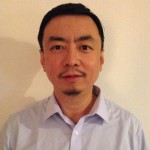
Harvard Medical School, Boston, Massachusetts, USA
Dr Wenzhong Xiao
Assistant Professor of Surgery (Bioinformatics), Harvard Medical School, Boston, Massachusett
Dr Xiao is Director of the Immuno-Metabolic Computational Center at Massachusetts General Hospital and leads a Computational Genomics Group at the Stanford Genome Technology Center.
His research focuses on developing computational and statistical methods to analyse complex molecular, clinical, and genetic data, with particular emphasis on immune and metabolic diseases. As Co-Director of the Ronald G. Tompkins Harvard ME/CFS Collaboration, he applies these approaches to study myalgic encephalomyelitis/chronic fatigue syndrome (ME/CFS).
Dr Xiao’s work on the Severely Ill Patient Study (SIPS) has identified metabolic and immune abnormalities, rare genetic variants, and potential connections between ME/CFS and neuroimmune pathways, viral triggers, and hormonal signalling. His recent research uses network medicine to explore overlaps between ME/CFS, cognitive disorders, and long COVID, contributing to a better understanding of disease mechanisms and informing
More information - https://researchers.mgh.harvard.edu/profile/13341354/Wenzhong-Xiao
#IIMEC17 - Patient-Reported Treatment Outcomes in ME/CFS and Long COVID
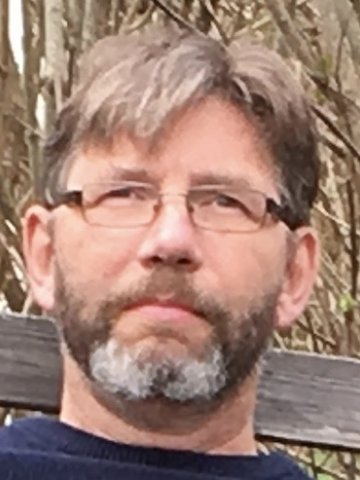
Karolinska Institutet, Sweden
Per Julin
MD, PhD, Specialist in Rehabilitation Medicine
Per Julin is a physician and researcher at Karolinska Institutet in Sweden, and senior consultant at the ME/CFS policlinic at the Neurological Rehabilitation Clinic at Stora Sköndal Foundation. His work spans rehabilitation medicine, neurobiology, and neuroimaging, with a particular focus on ME/CFS and related complex chronic conditions.
More information: Karolinska Institutet profile
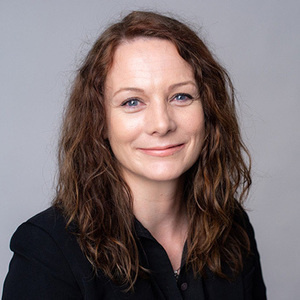
University of Alabama at Birmingham, USA
Elizabeth Worthey
PhD, Director, Center for Computational Genomics and Data Science
Elizabeth Worthey is a genetics and computational biology researcher at the University of Alabama at Birmingham (UAB), where she serves as Director of the Center for Computational Genomics and Data Science, Associate Director of the Hugh Kaul Precision Medicine Institute, and Section Chief of Bioinformatics in the Division of Genomics Diagnostics and Bioinformatics, Department of Pathology. Her work focuses on developing and applying omics, informatics, and data science methods to identify causal molecular variation in rare, undiagnosed, and misdiagnosed diseases, as well as variation that influences therapeutic response and clinical outcomes.
Worthey is a pioneer in clinical genomics: in 2009 she was part of the team at the Medical College of Wisconsin that performed the first successful use of genomic sequencing to change a patient's medical treatment, and she co-built the world's first Genomic Medicine program. Her lab's current work includes a precision medicine framework for ME/CFS using individual-level genomic and transcriptomic data. She received her Ph.D. from Imperial College London and completed postdoctoral training at the Seattle Biomedical Research Institute and the University of Washington.
More information: Center for Computational Genomics and Data Science, UAB
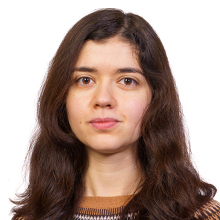
Saez-Rodriguez Group, EMBL-EBI, UK
Veronika Kedlian
PhD, Postdoctoral Fellow
Veronika Kedlian is a postdoctoral fellow in the Saez-Rodriguez group at EMBL's European Bioinformatics Institute (EMBL-EBI), UK. Her research applies computational and single-cell approaches to understand the molecular mechanisms of ageing and disease, with a focus on integrating diverse omics data to build mechanistic models of cellular processes.
Veronika completed her PhD at the Wellcome Sanger Institute, where she used single-cell RNA sequencing to map ageing across human tissues including skeletal muscle and skin. She previously trained in the Janet Thornton group at EMBL-EBI, studying gene expression variability in the human brain with age. She holds an M.Sc. and B.Sc. in Molecular Biology and Genetics from Taras Shevchenko National University of Kyiv, Ukraine.
More information: Saez-Rodriguez group, EMBL-EBI
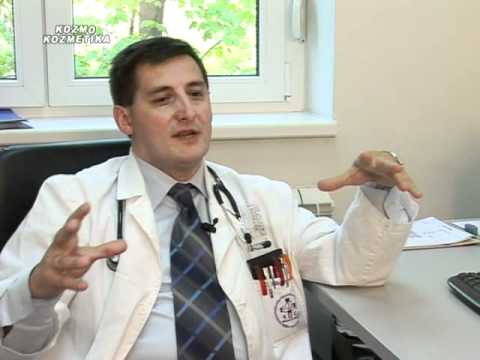
Institute for cardiovascular diseases-Dedinje, Department of Cardiology, Serbia
Branislav Milovanović
Serbia
PRESENT POSITIONS
- Head of Neurocardiological laboratory,
- President of Serbian Neurocardiological Society
- Full Professor of Internal medicine and Cardiology,Medical faculty,University in Belgrade,Serbia
- Professor of Internal medicine,University of Saransk,Russia
- Noninvasive electrocardiology
- Autonomic nervous system testing
- Syncope
- Chaos theory
- Placebo effect
- Neurocardiology
- Biosignal processing
- Artificial inteligence
- 27.6.1989-22.11.1989.-a clinical doctor at the Clinic for cardiovascular surgery –Dedinje,Belgrade,Universityof Belgrade
- 1989-1997 Specialist of Internal Medicine,University Clinical Center,Zemun,Internal Clinic
- From 1.9.1997.-2004 at CHC B.Kosa,Belgrade,School of Medicine,Belgrade,as a head of Coronary Care Unit
- From 1.3.1997.Assistant Professor at The School of Medicine ,University of Belgrade on Internal Medicine
- From November 2004-2022 Head of Neurocardiological laboratory,CHC Bezanijska Kosa
- From July 2006 Associate professor of Internal medicine at Medical faculty of Belgrade University
- From October 2022 Head of neurocardiological laboratory,Institute for cardiovascular diseases-Dedinje
- From January 2012 Professor of Internal Medicine and Cardiology,Medical faculty,University of Belgrade,Serbia
- From May 2014-2019 Director of Internal Clinic University Clinical Center Bezanijska Kosa
- From January 2016 Member of European Academy of Science and Arts,the leading scientific society in Europe (38 Nobel prize winners)
- 2019-Professor of Internal Medicine,University of Saransk,Russia